





























Ceremonial Sword Spain
A ceremonial sword in Spain connects traditional craftsmanship with centuries of European military and cultural history. Spain has a particularly strong association with sword-making, and cities such as Toledo have become internationally recognized for their sword craftsmanship and decorative metalwork.
Today, collectors and historical enthusiasts can explore ceremonial sword designs influenced by Spanish military traditions, European sword forms, presentation pieces, and traditional craftsmanship. These swords can serve as distinctive additions to private collections, libraries, offices, historical displays, and themed interiors.
Khukriwala Global offers traditionally inspired sword designs for collectors and enthusiasts who appreciate historical styling, decorative details, and craftsmanship.
What Is a Ceremonial Sword?
A ceremonial sword is generally associated with formal presentation, symbolism, tradition, or display. Its design may emphasize decorative workmanship and historical character rather than practical battlefield use.
A ceremonial sword can feature an ornamental guard, detailed handle, decorated pommel, polished blade, engraved elements, or a matching scabbard. The combination of these features can reflect the historical tradition behind the design.
The Royal Armoury in Madrid provides an important example of Spain’s sword heritage. Its collection includes weapons and armor dating from the 10th century to the beginning of the 19th century, including objects identified as ceremonial swords.
Ceremonial Sword Spain and Spanish Heritage
Spain has a rich history of sword-making that developed through different cultural and historical periods. Spanish sword designs can reflect European military traditions as well as influences from the country’s diverse historical heritage.
Toledo has a particularly important place in this story. Spain’s official tourism website describes Toledo as a city known for traditional craftsmanship, including sword-making and damascening. Its artisans are associated with decorative metalwork often known as the “Gold of Toledo.”
This heritage makes Spanish-inspired ceremonial swords interesting to collectors who want to explore the relationship between sword design, craftsmanship, and European history.
Toledo Sword Craftsmanship
Toledo is one of the most recognizable names associated with Spanish swords. The city has maintained a reputation for sword-making and traditional metal craftsmanship.
Spanish tourism resources highlight Toledo’s sword workshops and traditional damascene work, where decorative patterns are incorporated into metal objects.
For collectors, Toledo’s connection with sword-making adds an important cultural dimension to Spanish-inspired designs. A ceremonial sword does not simply represent a blade and handle; its decoration and construction can also reflect the artistic traditions associated with its historical background.
Spanish Ceremonial Sword Designs
Spanish sword traditions include a variety of forms. Historical examples preserved in museum collections show how Spanish swordsmiths and craftsmen produced different designs for different periods and purposes.
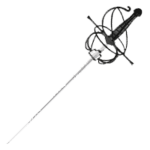
The Metropolitan Museum of Art, for example, has a Spanish sword dated to around 1500 and a Spanish cup-hilted rapier from around 1650.
These historical examples demonstrate the variety of Spanish sword design. Modern ceremonial swords may draw inspiration from such historical forms while adapting details for contemporary collectors and displays.
Spanish-Inspired Presentation Swords
Presentation swords place strong emphasis on appearance and formal character. Decorative fittings, refined handles, engraved details, and matching scabbards can give a sword a distinctive presentation.
Historical European examples show that swords could combine functional construction with elaborate artistic details. Some pieces became objects of prestige as well as symbols associated with status and ceremony.
For collectors, presentation-style designs can provide an attractive connection between historical sword traditions and decorative craftsmanship.
Ceremonial Sword Spain for Collectors
Collectors searching for a ceremonial sword in Spain may have different reasons for choosing a particular design.
Some collectors focus on Spanish military history, while others prefer Toledo-inspired craftsmanship or European historical sword styles. Another collector may simply want a distinctive traditional piece for a private display.
Before choosing a sword, consider:
- Historical inspiration
- Spanish or European design influence
- Blade shape and finish
- Guard construction
- Handle materials
- Pommel details
- Scabbard design
- Decorative fittings
- Overall dimensions
- Intended display location
These factors can help you select a sword that fits your collection and personal interests.
Ceremonial Sword for Spanish Historical Displays
A ceremonial sword can work well in a historical display focused on Spain or wider European heritage.
For example, a Spanish-themed collection could combine a traditionally inspired sword with historical books, maps, artwork, shields, military memorabilia, or other cultural objects.
A display does not need to be large. A single carefully selected sword can become a focal point in a study, library, office, collection room, or themed interior.
Always use an appropriate stand or mounting system and position the sword where it cannot easily fall or create an accidental hazard.
Materials and Decorative Details
The appearance of a ceremonial sword depends on the complete design rather than the blade alone.
Important elements can include the guard, grip, pommel, scabbard, fittings, surface finish, and decorative patterns. Depending on the design, materials may include steel, other metals, wood, leather, and decorative components.
Historical Spanish swords in museum collections demonstrate the use of different materials. For example, a Spanish sword with scabbard in the Metropolitan Museum of Art’s collection incorporates steel, copper, gold, enamel, silver, leather, and metallic thread.
These details illustrate how sword-making could overlap with decorative arts and fine craftsmanship.
Ceremonial Sword vs. Historical Sword
A ceremonial sword and a historical sword are not necessarily the same thing.
A historical sword refers to an original or historically associated sword, while a ceremonial sword generally describes a sword used or designed for formal, symbolic, presentation, or decorative purposes.
A modern sword can also be historically inspired without being an original historical artifact. Buyers should therefore review the individual product description carefully and distinguish between an antique, reproduction, replica, decorative sword, and ceremonial design.
Buying a Ceremonial Sword in Spain
When buying a ceremonial sword in Spain, review the product information before placing an order.
Pay attention to the dimensions, materials, construction, blade characteristics, finish, scabbard, and intended purpose. If the sword is being purchased internationally, also consider shipping, customs, import requirements, and applicable regulations.
Rules concerning swords can depend on the characteristics of the item and the circumstances of purchase, possession, transportation, or display. Buyers should verify the current requirements that apply to their specific location before ordering.
Ceremonial Sword Spain for International Collectors
Spanish sword traditions have attracted interest beyond Spain. Collectors around the world often explore European sword designs because of their historical connections and distinctive craftsmanship.
A Spanish-inspired ceremonial sword can complement collections featuring French, Scottish, British, Italian, German, or other European sword traditions.
This makes Spanish designs useful not only for Spain-focused collections but also for broader European historical displays.
Why Choose Khukriwala Global?
Khukriwala Global offers traditionally inspired sword designs for collectors and enthusiasts interested in historical and decorative craftsmanship.
Our collection includes sword styles influenced by different historical traditions and cultural designs. Customers can review individual product information to compare dimensions, materials, appearance, and other specifications.
For collectors interested in Spanish heritage, European history, or traditional sword craftsmanship, a ceremonial sword can provide a distinctive addition to a carefully selected collection.
Caring for a Ceremonial Sword
Proper storage can help preserve the appearance of a ceremonial sword.
Keep the sword in a clean, dry indoor environment and protect it from unnecessary moisture. Avoid using unsuitable cleaning products on metal, leather, wood, or decorative surfaces.
A secure display stand or mounting system can reduce the risk of accidental falls. Periodically inspect the sword and follow the manufacturer’s care recommendations for its specific materials and finish.
Frequently Asked Questions
What is a ceremonial sword?
A ceremonial sword is generally associated with formal presentation, tradition, symbolism, historical heritage, or decorative display. Its design often emphasizes craftsmanship and visual presentation.
Why is Toledo famous for swords?
Toledo has a long association with sword-making and traditional metal craftsmanship. Spain’s official tourism resources specifically highlight the city’s sword-making and damascene traditions.
Are Spanish ceremonial swords suitable for collectors?
They can be suitable for collections focused on Spanish history, European sword traditions, military heritage, craftsmanship, or historical-inspired décor.
What is special about Spanish sword craftsmanship?
Spanish sword traditions include distinctive historical forms and decorative techniques. Toledo is particularly associated with sword-making and damascene metalwork.
Can I display a ceremonial sword in Spain?
Display and ownership requirements can depend on the sword and the circumstances. Check the current laws and regulations applicable to your location before purchasing, possessing, transporting, or displaying a sword.
What should I consider before buying a ceremonial sword?
Consider the historical inspiration, materials, dimensions, construction, finish, display requirements, shipping arrangements, and applicable legal requirements.
Explore Spanish and Historical Sword Designs
A ceremonial sword in Spain brings together European heritage, traditional craftsmanship, and distinctive decorative design. Spanish sword history offers collectors an opportunity to explore traditions associated with Toledo, military history, presentation swords, and historical European craftsmanship.
Explore Khukriwala Global for ceremonial swords, historical swords, military-inspired swords, Scottish swords, hand-forged designs, and other traditional sword styles.
Before purchasing, always review the complete product specifications and verify the current requirements governing the purchase, importation, possession, transportation, and display of swords in your location.