
























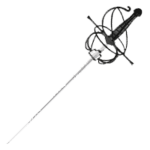




Ceremonial Sword Poland
A ceremonial sword in Poland can represent military heritage, historical tradition, craftsmanship, and formal presentation. Poland has a distinctive place in European history, with sword traditions influenced by Polish cavalry, military service, nobility, and the country’s changing historical periods.
For modern collectors, Polish-inspired ceremonial swords can provide an interesting connection to European military history. Their decorative guards, traditional blade profiles, detailed handles, and scabbards can make them suitable for historical collections, private displays, studies, offices, and themed interiors.
Khukriwala Global offers traditionally inspired sword designs for collectors and enthusiasts who appreciate historical styles and detailed craftsmanship.
What Is a Ceremonial Sword?
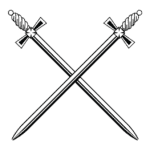
A ceremonial sword is generally associated with formal occasions, symbolic traditions, military heritage, or decorative presentation. Unlike a sword designed primarily for practical combat, a ceremonial design often gives greater attention to appearance, ornamentation, and historical character.
A ceremonial sword may feature a decorated guard, detailed grip, ornamental pommel, polished blade, engraved elements, or a matching scabbard. The exact design depends on the historical tradition that inspired it.
Historical museums preserve many examples showing how swords could serve both military and symbolic roles. These examples help explain why ceremonial swords remain popular among collectors interested in European history.
Ceremonial Sword Poland and Polish Heritage
Poland’s sword heritage developed through centuries of military and cultural change. Polish warriors, cavalry units, officers, and members of the nobility used different types of swords and sabres throughout various historical periods.
Among the most recognizable Polish military traditions is the Hussar tradition. Polish hussars became famous for their cavalry role and distinctive military culture. Their historical image continues to influence modern interest in Polish military collectibles and sword designs.
A Polish-inspired ceremonial sword can therefore represent more than decorative craftsmanship. It can also provide a visual connection to Poland’s broader military heritage.
Polish Hussar Influence
The Polish Winged Hussars are one of the most recognizable military traditions associated with Poland. Their reputation developed during the Polish-Lithuanian Commonwealth, particularly from the 16th through the 18th centuries.
Hussar equipment included distinctive weapons and armor, contributing to a recognizable visual identity. Historical interest in this tradition has influenced collectors, museums, reenactors, and designers of historical-inspired items.
For collectors, a sword inspired by Polish cavalry traditions can become an interesting part of a wider European military collection.
Polish Ceremonial Sword Designs
A Polish ceremonial sword can draw inspiration from several historical periods and military traditions.
Some designs emphasize cavalry heritage, while others resemble formal officer swords or European presentation swords. Decorative fittings can create a formal appearance, while traditional blade shapes can provide a stronger historical character.
When evaluating a Polish-inspired sword, consider:
- Historical period represented
- Polish or Central European design influence
- Blade shape
- Guard style
- Grip and pommel
- Scabbard design
- Decorative fittings
- Materials and finish
- Overall dimensions
These features can help distinguish one historical-inspired design from another.
Ceremonial Sword Poland for Collectors
Collectors looking for a ceremonial sword in Poland may have different interests. Some focus specifically on Polish military history, while others build broader European sword collections.
A Polish-inspired sword can complement collections containing historical books, military uniforms, medals, shields, artwork, and other traditional weapons or memorabilia.
Before purchasing, decide whether your primary interest is historical representation, decorative craftsmanship, military heritage, or general collecting.
The purpose of the collection can help determine which design and level of historical detail are most appropriate.
Polish Military Sword Traditions
Poland’s military history includes a variety of sword and sabre traditions. Over different periods, Polish cavalry and military forces adopted and developed sword forms suited to changing tactics and equipment.
This history provides a wide range of inspiration for modern collectors. A ceremonial design may borrow visual characteristics from cavalry swords, officer swords, sabres, or other historical European forms.
Because historical sword terminology can vary between periods, collectors should review the specific history and description associated with an individual design rather than assuming that every Polish sword represents the same tradition.
Decorative Sword Poland for Display
A decorative sword in Poland can be used to create a historical or traditional focal point in a home office, library, study, collection room, or themed interior.
A Polish-inspired design can work especially well with European historical décor. It can be displayed alongside maps of Poland, historical books, military artwork, shields, medals, or other European collectibles.
Use a stable display stand or suitable mounting system. Position the sword where it will not easily fall or become an accidental hazard.
For homes with children or pets, choose a secure display arrangement that limits unnecessary access.
Materials and Craftsmanship
The overall appearance of a ceremonial sword depends on several components rather than the blade alone.
The guard, grip, pommel, fittings, scabbard, and surface finish can all contribute to the character of the sword. Depending on the design, manufacturers may use steel or other metals for the blade and fittings, along with materials such as wood, leather, or decorative components.
Traditional craftsmanship can also influence the appearance of the finished piece. Details such as engraved patterns, metal fittings, textured grips, and decorative scabbards can give a sword a distinctive presentation.
When comparing products, review the complete specifications instead of judging a sword only by its photographs.
Historical Sword Poland vs. Ceremonial Sword
The terms historical sword and ceremonial sword describe different aspects of a sword.
A historical sword can refer to an original sword from a particular period or a design strongly associated with historical use. A ceremonial sword generally refers to a sword connected with formal, symbolic, presentation, or decorative purposes.
A modern ceremonial sword can therefore be inspired by a historical Polish sword without being an original historical artifact.
Collectors should check whether a product is described as an original antique, reproduction, replica, decorative item, or ceremonial design before purchasing.
Choosing a Ceremonial Sword in Poland
When choosing a ceremonial sword in Poland, consider the purpose of the purchase first.
For a historical collection, you may want to focus on a particular Polish period or military tradition. For interior display, the overall design, finish, dimensions, and scabbard may be more important.
Consider the available display space as well. Full-length swords require appropriate room for safe presentation.
It is also useful to compare product specifications before making a decision. Materials, dimensions, construction, finish, and included accessories can vary between designs.
Buying a Ceremonial Sword in Poland
Before buying a ceremonial sword in Poland, review the complete product information and understand the item’s characteristics.
Consider the blade type, dimensions, materials, construction, intended purpose, shipping arrangements, and display requirements.
Sword-related regulations can vary according to the type of item and the circumstances of purchase, possession, transportation, importation, or display. Polish and European requirements may also change over time.
Buyers should therefore verify the current rules applicable to their specific situation before ordering.
Ceremonial Sword Poland for International Collectors
Interest in Polish sword traditions extends beyond Poland. Collectors across Europe and other parts of the world may explore Polish military history as part of a wider interest in European weapons and historical craftsmanship.
A Polish-inspired ceremonial sword can complement collections featuring German, French, Scottish, Spanish, Italian, British, or other European sword traditions.
This makes Polish designs suitable for both Poland-focused collections and broader European historical displays.
Why Choose Khukriwala Global?
Khukriwala Global provides traditionally inspired sword designs for collectors and enthusiasts around the world.
Our collection includes designs influenced by historical sword traditions, military styles, decorative craftsmanship, and different cultural backgrounds.
Customers interested in Polish or European-inspired designs can review individual product specifications and compare details such as dimensions, materials, finishes, handles, guards, and scabbards.
A carefully selected ceremonial sword can add a distinctive historical character to a collection or display.
Caring for a Ceremonial Sword
Proper storage can help maintain the appearance of a ceremonial sword.
Keep the sword in a clean and dry indoor environment. Avoid prolonged exposure to moisture and follow the manufacturer’s recommendations for cleaning and maintenance.
Metal surfaces should be handled carefully, while materials such as leather and wood may require different care.
For display, use a secure stand or appropriate mounting system. Avoid placing the sword in areas where it can easily be knocked down or exposed to unnecessary environmental changes.
Frequently Asked Questions
What is a ceremonial sword?
A ceremonial sword is generally associated with formal presentation, symbolism, military heritage, historical traditions, or decorative display.
What makes Polish sword traditions distinctive?
Polish sword traditions developed through different military and cultural periods. Polish cavalry, including the famous Winged Hussars, has had a strong influence on international interest in Polish military history.
Are Polish ceremonial swords suitable for collectors?
Yes. Polish-inspired ceremonial swords can be suitable for collections focused on Polish history, European military traditions, cavalry heritage, craftsmanship, or historical décor.
What is a Polish Hussar sword?
The term can refer to sword or sabre designs associated with Polish hussar and cavalry traditions. Specific forms varied according to historical period, military development, and intended use.
Can I display a ceremonial sword in Poland?
Display and ownership requirements can depend on the characteristics of the sword and the circumstances. Check the current laws and regulations applicable to your location before purchasing, possessing, transporting, or displaying a sword.
What should I consider before buying a ceremonial sword?
Consider its historical inspiration, materials, dimensions, construction, finish, display requirements, shipping arrangements, and the regulations applicable to the item.
Explore Polish and European Sword Designs
A ceremonial sword in Poland can combine Polish military heritage with traditional European craftsmanship and decorative presentation. For collectors, it offers an opportunity to explore the country’s cavalry traditions, historical sword forms, and broader European military history.
Explore Khukriwala Global for ceremonial swords, historical swords, military-inspired swords, Scottish swords, hand-forged designs, and other traditional sword styles.
Before purchasing, always review the complete product specifications and verify the current requirements governing the purchase, importation, possession, transportation, and display of swords in your location.