






























Viking Sword vs Knight Sword

Viking Sword vs Knight Sword
Viking Sword vs Knight Sword: Understanding the Key Differences
The debate between the Viking Sword vs Knight Sword is one of the most interesting topics for sword collectors and history enthusiasts. Although both weapons played significant roles in European history, they were developed during different periods and designed for different styles of combat. Viking swords were used primarily between the 8th and 11th centuries by Norse warriors, while knight swords became prominent during the High and Late Middle Ages, serving medieval knights across Europe.
Understanding their differences helps collectors appreciate the evolution of sword design, battlefield tactics, and craftsmanship.
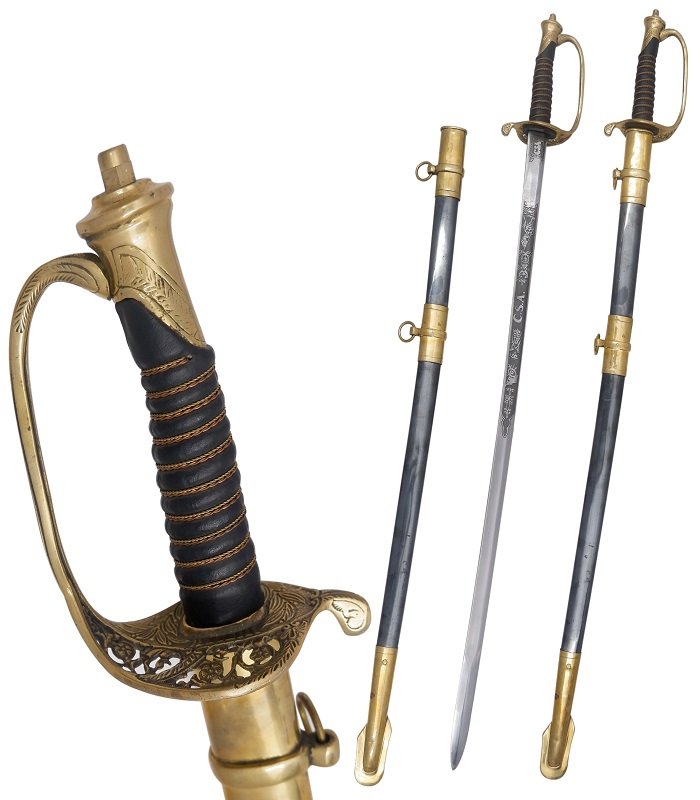
What Is a Viking Sword?
A Viking sword was a double-edged weapon used by Norse warriors during the Viking Age. These swords were designed for speed, balance, and powerful slashing attacks. Because Vikings often fought with shields, their swords were optimized for one-handed use.
Typical features of a Viking sword include:
- Straight double-edged blade
- Broad cutting edge
- Rounded or spatulate tip
- Short crossguard
- Lobed or Brazil nut-shaped pommel
- One-handed grip
- Excellent balance for quick strikes
Viking swords were valuable possessions and often passed down through generations as family heirlooms.
What Is a Knight Sword?
A knight sword, often called an arming sword or medieval sword, became common between the 11th and 15th centuries. As armor evolved, sword designs also changed. Knight swords featured stronger blades and sharper points, making them effective for both cutting and thrusting against armored opponents.
Typical characteristics include:
- Straight double-edged blade
- Longer crossguard
- Sharper pointed tip
- Improved hand protection
- Better thrusting capability
- Balanced for mounted and foot combat
Knight swords symbolized honor, loyalty, and military service throughout medieval Europe.
Viking Sword vs Knight Sword: Major Differences
1. Historical Period
The biggest difference lies in the era in which they were used.
- Viking Sword: 8th–11th century
- Knight Sword: 11th–15th century
Knight swords evolved after Viking swords and incorporated improvements based on changing warfare.
2. Blade Design
Viking swords generally had wider blades with rounded tips that favored powerful slashing attacks.
Knight swords gradually developed narrower blades with pointed tips, allowing both cutting and thrusting techniques.
3. Combat Style
Viking warriors relied on mobility and shield-based combat.
Knight swords were designed for battles involving chainmail and later plate armor, requiring stronger thrusting attacks.
4. Handle and Grip
Most Viking swords featured shorter grips suitable for one-handed fighting.
Knight swords evolved into longer grips, and later medieval longswords allowed both one-handed and two-handed techniques.
5. Crossguard
The Viking sword typically had a shorter and simpler crossguard.
Knight swords introduced longer crossguards that provided improved hand protection during combat.
6. Pommel Design
Viking swords commonly featured multi-lobed pommels.
Knight swords often used disc-shaped or wheel pommels that improved balance and handling.
Similarities Between Viking Swords and Knight Swords
Despite their differences, both swords share several characteristics:
- Double-edged steel blades
- Straight blade construction
- Designed for close combat
- Hand-forged by skilled blacksmiths
- Symbols of status and prestige
- Highly valued by warriors
- Durable and well-balanced
Both weapons played an important role in shaping European military history.
Which Sword Was Better?
There is no single answer because each sword was designed for different combat conditions.
A Viking sword excelled in fast-moving battles and shield combat, making it ideal for quick slashing attacks.
A knight sword was better suited for medieval warfare, where improved armor required stronger blades and more effective thrusting techniques.
Rather than asking which sword was better, it is more accurate to recognize that each weapon perfectly matched the military needs of its own era.
Viking Sword vs Knight Sword for Collectors
Collectors often appreciate both types of swords for different reasons.
Choose a Viking sword if you enjoy:
- Norse history
- Viking culture
- Early medieval weapons
- Traditional Scandinavian craftsmanship
Choose a Knight sword if you prefer:
- Medieval Europe
- Knights and castles
- Crusader history
- Renaissance-inspired collections
Many collectors choose to own both because together they represent the evolution of European sword making.
Why Buy from Khukriwala Global?
Khukriwala Global manufactures premium handcrafted Viking swords and knight swords inspired by authentic historical designs. Every sword is crafted by experienced artisans using quality materials and traditional techniques.
Our collection offers:
- Handcrafted historical replicas
- Premium steel blades
- Authentic historical styling
- Decorative and collectible swords
- Custom manufacturing options
- Worldwide shipping
- Secure packaging
- Wholesale and bulk orders
We are committed to delivering swords that combine historical accuracy with exceptional craftsmanship.
Conclusion
The comparison of highlights how sword design evolved over several centuries. Viking swords emphasized speed, balance, and slashing power, while knight swords adapted to changing battlefield conditions with improved thrusting capability and enhanced hand protection. Both remain iconic symbols of European history and continue to inspire collectors, museums, reenactors, and history enthusiasts worldwide.
Whether you admire the fearless Norse warriors or the noble medieval knights, both sword styles showcase remarkable craftsmanship and enduring historical significance.
Frequently Asked Questions
Which is older, a Viking sword or a knight sword?
The Viking sword is older and was widely used from the 8th to the 11th century, while knight swords became common during the 11th to 15th centuries.
Were Viking swords used by knights?
Generally, no. Knight swords developed after the Viking Age and featured design improvements suited to medieval warfare.
Which sword is better for collectors?
Both are excellent choices. Viking swords appeal to fans of Norse history, while knight swords are ideal for those interested in medieval Europe and chivalry.