



















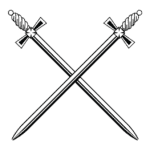




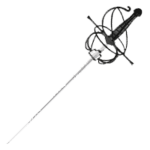



Ceremonial Sword Germany
A Ceremonial Sword Germany collection reflects a long European tradition of military heritage, formal dress, craftsmanship, and historical symbolism. From the military traditions of Prussia to the wider history of German states and European courts, swords have often represented rank, service, authority, and ceremony. Today, ceremonial swords can also appeal to collectors, museums, historical enthusiasts, and people creating traditional displays.
Germany has a particularly rich military and cultural history associated with swords, sabres, uniforms, medals, and other forms of military equipment. The Deutsches Historisches Museum in Berlin maintains an extensive collection of weapons, armour, uniforms, and military objects connected with German history. Its collections also include material associated with the former Prussian military tradition.
German Heritage and Ceremonial Sword Traditions
The history of German ceremonial swords is closely connected with the development of European military dress and formal traditions. During different historical periods, officers and military personnel used distinctive swords and sabres as part of formal uniforms.
Prussian military history is especially important when exploring traditional German sword designs. The historic Berlin Zeughaus was originally established as an arsenal for the Prussian army. It stored military equipment including muskets and sabres and later became a museum associated with Prussian military history.
These historical traditions continue to influence decorative and ceremonial sword designs today. A modern German Ceremonial Sword may therefore combine traditional European proportions with decorative guards, polished metal components, detailed handles, and display-oriented finishes.
What Makes a Ceremonial Sword Different?
A ceremonial sword is primarily associated with presentation, formal occasions, historical interpretation, collecting, and display. Its visual design is often more important than practical battlefield use.
Common characteristics may include:
- Decorative sword guards
- Traditional European blade profiles
- Detailed hilts and pommels
- Polished or antiqued finishes
- Decorative scabbards
- Historical-inspired ornamentation
- Display stands or wall mounts
- Formal military-inspired styling
Collectors often choose a Ceremonial Sword in Germany based on its appearance, historical inspiration, craftsmanship, and suitability for a collection or display.
Prussian Influence on German Sword Designs
Prussia played a significant role in the military history of central Europe. The historic Zeughaus in Berlin was originally built as a major arsenal for the Prussian army, and its collections later included weapons, armour, uniforms, and other military objects.
The museum’s historical material demonstrates how weapons and military objects became part of a broader culture of military representation. Sabres, swords, uniforms, medals, and other objects could communicate rank and institutional identity.
This heritage provides an important historical reference for people interested in a German Military Sword or a decorative sword inspired by European military traditions.
Ceremonial Swords for Collectors in Germany
Collectors may select ceremonial swords for several different reasons. Some focus on European military history, while others prefer decorative craftsmanship or historical-inspired interiors.
A well-presented sword can become a focal point in:
- Private collections
- Historical study rooms
- Offices
- Museums and educational displays
- Traditional interiors
- Military-history exhibitions
- Themed rooms
- Heritage collections
When selecting a Historical Sword Germany collectors can consider the design period, decorative details, materials, proportions, scabbard style, and overall presentation.
For historical collections, it is also useful to research the period represented by a particular design. German-speaking Europe includes many different historical traditions, so not every sword associated with German history represents the same period or region.
European Craftsmanship and Decorative Details
Ceremonial swords are often valued for their visual craftsmanship. Details such as the guard, grip, pommel, scabbard, and blade finish can significantly influence the overall appearance.
German and Central European historical collections demonstrate the importance of both military function and decorative presentation. The Deutsches Historisches Museum’s collections include weapons and armour from different periods, providing an opportunity to study how European military objects developed over time.
Modern decorative designs can draw inspiration from these historical forms without being exact replicas of any particular museum object.
Ceremonial Sword Germany for Historical Displays
A Ceremonial Sword Germany design can work particularly well in displays focused on European history. For example, a collection may combine swords with historical books, uniforms, medals, shields, artwork, or other period-inspired objects.
For a historically themed display, the sword should be presented in a stable and appropriate manner. Wall mounts and stands can help keep the piece organized while making its decorative details visible.
Collectors should also consider environmental conditions. Excess moisture can contribute to corrosion on metal components, while unsuitable storage can affect leather, wood, and other materials. A dry, controlled indoor environment is generally preferable for long-term display.
Choosing a German Ceremonial Sword
When choosing a German Ceremonial Sword, consider the purpose of the purchase first.
For decorative use, appearance and display compatibility may be the most important factors. For historical collections, you may want to investigate the design inspiration, approximate period, and regional background.
Important considerations include:
1. Historical Style
Decide whether you prefer a medieval-inspired, early-modern, Prussian-inspired, officer-style, or broader European design.
2. Hilt and Guard
The guard and hilt are among the most visually distinctive elements. Ornamental guards can give a sword a formal appearance.
3. Scabbard
A decorative scabbard can significantly change the presentation of a sword. Look for a design that complements the blade and hilt.
4. Display Method
Consider whether the sword will be placed on a stand, displayed horizontally, or presented as part of a larger historical collection.
5. Materials and Finish
Metal finish, grip materials, decorative elements, and construction quality all influence the appearance and long-term presentation of a ceremonial sword.
German Military Heritage and Museum Collections
Germany’s museum collections provide valuable resources for understanding historical weapons and military objects. The Deutsches Historisches Museum’s Militaria collection includes weapons, armour, and military equipment, while its historical development is closely connected with the former Berlin Zeughaus.
The Zeughaus itself was originally constructed between 1695 and 1730 and served as a major Prussian arsenal. Later, it became a military museum, with collections covering weapons, armour, uniforms, and other historical objects.
This historical background helps explain why German sword traditions remain relevant to collectors and enthusiasts interested in European military history.
Decorative Sword Germany for Interior Display
A Decorative Sword Germany can also be selected primarily for interior design. Traditional sword forms can complement libraries, study rooms, historical interiors, and themed collections.
For a balanced display, consider the surrounding décor. A richly decorated sword may work well as a focal object, while a simpler European design can complement bookshelves, antique-style furniture, or other historical pieces.
Display should always prioritize stability and responsible handling, particularly in homes or public spaces.
Buying a Ceremonial Sword in Germany
When purchasing a ceremonial sword for Germany, buyers should check the applicable German and local regulations before ordering, importing, owning, displaying, or transporting the item. Rules can depend on the type and characteristics of the sword, as well as how it is handled or carried.
Buyers should also check shipping requirements and any customs documentation that may apply to international orders.
For collectors, keeping product documentation and information about the sword’s design can be useful for future reference.
Why Collectors Appreciate Ceremonial Swords
Ceremonial swords combine historical symbolism with decorative craftsmanship. Unlike ordinary decorative objects, they can represent particular periods, military traditions, artistic styles, and cultural history.
For German collectors, European sword designs can provide a connection to the country’s complex historical development, including Prussian military traditions and the broader cultural history of Central Europe.
A carefully selected Ceremonial Sword in Germany can therefore serve as both a decorative centerpiece and an educational object.
Explore Historical Sword Designs
If you are interested in European sword traditions, explore our collection of Ceremonial Swords, Historical Swords, and Military Swords. Different designs can reflect different periods, regions, and traditions, allowing collectors to build a more diverse historical display.
You can also explore related sword categories such as hand-forged swords and Scottish sword designs for additional European-inspired styles.
Frequently Asked Questions
What is a Ceremonial Sword Germany?
A Ceremonial Sword Germany is a sword designed or presented primarily for ceremonial, decorative, collecting, or historical-display purposes, with designs that may draw inspiration from German and broader European traditions.
Are German ceremonial swords based on military swords?
Many ceremonial designs take inspiration from historical military swords or sabres. However, a modern ceremonial sword should not automatically be considered an authentic historical military weapon.
What influenced German sword traditions?
German sword traditions developed through many regional and historical influences. Prussian military history is one particularly important influence, while Central European and wider European traditions also contributed to sword design.
Where can German sword history be studied?
Museums such as the Deutsches Historisches Museum in Berlin provide collections and historical information relating to German weapons, armour, military equipment, and Prussian history.
Is a ceremonial sword suitable for display?
Yes. Ceremonial swords are commonly selected for historical collections and decorative displays. They should be stored securely and displayed responsibly.
Final Thoughts
A Ceremonial Sword Germany design brings together European history, German military heritage, traditional craftsmanship, and decorative presentation. From the legacy of Prussian military traditions to the museum collections of Berlin, German sword history offers a rich background for collectors and enthusiasts.
Whether your interest is historical display, European craftsmanship, military heritage, or traditional decorative design, a carefully selected ceremonial sword can become a distinctive part of a collection. Always research the historical background of a design and check applicable laws before purchasing, importing, transporting, or displaying a sword.