






























Ceremonial Sword Kenya
A Ceremonial Sword Kenya collection can reflect the country’s military heritage, historical connections, formal traditions, and the wider history of ceremonial swords. In Kenya, swords can be associated with military ceremony, formal uniforms, historical collections, and important state occasions. Today, ceremonial sword designs may also interest collectors, museums, historians, and people looking for distinctive traditional displays.
Kenya has a diverse cultural and historical background shaped by indigenous communities, coastal trade, European influence, colonial-era institutions, and the development of the modern nation after independence. This history provides a fascinating context for understanding decorative and ceremonial sword designs.
The country’s military history also provides an important connection. The official history of the Kenya Army traces its origins to the King’s African Rifles and the military developments of the late nineteenth and early twentieth centuries.
Kenyan Military Heritage and Ceremonial Swords
The history of military institutions in Kenya provides an important background for ceremonial sword traditions. Before and after independence, military uniforms, formal parades, insignia, and ceremonial objects became part of official military presentation.
The modern Kenya Defence Forces consists of the Kenya Army, Kenya Air Force, and Kenya Navy. The current KDF structure was established under Article 241 of the 2010 Constitution and is governed by the Kenya Defence Forces Act of 2012.
Ceremonial objects can form part of formal military occasions. For example, during Kenya’s 2022 presidential inauguration, the KDF carried out ceremonial duties and the C-in-C Sword was included among the instruments of power involved in the formal handover ceremony.
This demonstrates that the sword can have a symbolic role beyond its historical association with combat.
What Is a Ceremonial Sword?
A ceremonial sword is generally designed for formal presentation, historical representation, collecting, or display rather than ordinary practical use.
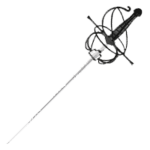
A Kenyan Ceremonial Sword may draw visual inspiration from military and European sword traditions while being presented as a decorative or ceremonial object.
Typical features can include:
- Decorative guards
- Traditional European-style blades
- Ornamental hilts
- Detailed pommels
- Decorative scabbards
- Polished metal finishes
- Historical-inspired designs
- Display stands or mounting systems
The exact appearance can vary considerably depending on the historical style being represented.
The Role of the Sword in Military Ceremony
Swords have long been associated with military rank, formal dress, authority, and ceremony in many parts of the world. In modern ceremonial settings, their symbolic value can be more important than their practical function.
Kenya provides a contemporary example through official KDF ceremonies. During formal state occasions, military personnel may participate in guard-of-honour duties, parades, inspections, and other ceremonial activities. The Ministry of Defence has documented these traditions during national events and military ceremonies.
For collectors, this connection makes ceremonial swords interesting historical objects. They can represent military traditions while also functioning as carefully designed display pieces.
Historical Influences on Sword Designs in Kenya
Kenya’s history includes several different cultural and historical influences. Therefore, a Historical Sword Kenya collection does not need to represent only one design tradition.
East African history includes indigenous traditions, coastal Swahili culture, Indian Ocean trade, Portuguese influence, British colonial history, and the development of modern Kenyan institutions.
The coastal city of Mombasa is particularly important when exploring the country’s historical relationship with military architecture and European maritime powers. Fort Jesus, now managed by the National Museums of Kenya, was constructed as a Portuguese military fortification and later served various military and administrative functions.
This broader history provides valuable context for people interested in European-inspired swords and historical display pieces in Kenya.
Fort Jesus and Kenya’s Military Heritage
Fort Jesus in Mombasa is one of Kenya’s most important historical sites connected with military architecture.
According to the National Museums of Kenya, Fort Jesus was built as a Portuguese military fortification and later served as barracks and other functions. The site became a museum in 1962 and was inscribed as a UNESCO World Heritage Site in 2011.
For someone researching Ceremonial Sword Kenya, this site provides useful historical context. It demonstrates how military history in Kenya connects with wider Indian Ocean, African, Portuguese, and European historical developments.
A modern ceremonial sword should not automatically be described as an authentic Fort Jesus or Portuguese historical sword. Instead, the historical site can be used as educational context for understanding Kenya’s long and diverse military heritage.
Ceremonial Sword Kenya for Collectors
Collectors may choose ceremonial swords for several reasons. Some are interested in military history, while others appreciate traditional craftsmanship and decorative presentation.
A ceremonial sword can become part of:
- Historical collections
- Military-themed displays
- Private study rooms
- Museum-style interiors
- Heritage exhibitions
- Office displays
- Educational collections
- Traditional decorative settings
When choosing a Ceremonial Sword in Kenya, collectors can consider the historical style, blade design, guard, grip, scabbard, materials, and overall presentation.
A clear understanding of the design’s historical inspiration can also make the collection more meaningful.
Kenyan Heritage and Museum Collections
The National Museums of Kenya plays an important role in preserving, studying, documenting, and presenting the country’s cultural and natural heritage. Its work covers Kenya’s history, archaeology, culture, arts, and regional heritage.
The Nairobi National Museum is one of the country’s major institutions for exploring Kenyan heritage. Its history dates back to 1910, and the museum has developed into an important center for cultural, historical, artistic, and natural collections.
For collectors researching a Decorative Sword Kenya, museums can provide useful historical context before selecting a particular European, military, or ceremonial design.
European-Style Ceremonial Swords in Kenya
Many modern ceremonial sword designs use European-inspired forms because European military traditions have had a significant influence on formal sword design around the world.
These designs can include officer-style swords, sabres, dress swords, and other decorative forms. Their appearance may feature engraved blades, ornamental guards, traditional grips, and decorative scabbards.
However, it is important to distinguish between a modern reproduction and an authenticated historical sword. A decorative sword inspired by a particular period should not automatically be represented as an original antique.
This distinction is particularly important for collectors who want accurate historical documentation.
Choosing a Ceremonial Sword in Kenya
When selecting a Ceremonial Sword Kenya, start by deciding how you intend to use or display it.
1. Select the Historical Style
Consider whether you prefer an African historical theme, European military design, officer-style sword, traditional sabre, or another decorative form.
2. Examine the Hilt
The guard, grip, and pommel strongly influence the overall appearance. Ornamental details can give a ceremonial sword a more formal presentation.
3. Consider the Scabbard
A scabbard completes the traditional appearance of many ceremonial sword designs. Look for one that visually complements the sword.
4. Check the Construction
Pay attention to the materials, finish, fittings, and overall craftsmanship. A well-presented ceremonial sword should have a consistent finish and carefully assembled decorative components.
5. Plan the Display
Think about where the sword will be displayed before purchasing it. A stand can provide a stable presentation, while an appropriate wall display can make the sword a central feature of a historical collection.
Ceremonial Sword Kenya for Display
A Ceremonial Sword in Kenya can complement a wide range of historical and traditional interiors.
Collectors may display swords alongside:
- Historical books
- Maps
- Military memorabilia
- Shields
- Medals
- Traditional artwork
- Museum-style display cases
- Other European swords
A balanced display can make the sword part of a larger historical story rather than treating it as an isolated decorative object.
For long-term preservation, keep metal surfaces dry and avoid excessive humidity. Leather, wood, and other natural materials also benefit from stable indoor conditions.
Kenya’s Modern Military Tradition
Kenya’s modern defence institutions developed through several historical stages. The Ministry of Defence records the transition from the post-independence Kenya Military Forces to the Kenya Armed Forces and later the current Kenya Defence Forces structure.
The Kenya Army’s historical development is also connected to the King’s African Rifles and the wider military history of East Africa.
This background is useful when researching military-inspired ceremonial objects. It also shows why a ceremonial sword associated with Kenya can represent a mixture of local national history and broader international military traditions.
Buying a Ceremonial Sword in Kenya
When buying a ceremonial sword for Kenya, check the applicable laws and regulations before purchasing, importing, transporting, owning, or displaying the item.
International buyers should also consider customs requirements, shipping restrictions, documentation, and the rules of both the exporting and importing countries.
A buyer should confirm whether a particular product is intended strictly for decorative or ceremonial purposes and review the manufacturer’s description before ordering.
Collectors should also keep purchase documentation and product information with the item for future reference.
Why Collectors Choose Ceremonial Swords
Ceremonial swords combine history, symbolism, craftsmanship, and visual presentation. They can provide a physical connection to military traditions while also serving as decorative objects.
For collectors in Kenya, a ceremonial sword can be particularly interesting because the country’s history connects African, Indian Ocean, European, colonial, and modern national traditions.
A carefully selected sword can therefore become part of a broader collection focused on military history, world history, European craftsmanship, or Kenyan heritage.
Explore Related Sword Collections
If you are researching Ceremonial Sword Kenya, you can also explore our related collections of Ceremonial Swords, Historical Swords, and Military Swords.
For collectors interested in European traditions, related historical sword designs can provide additional options for creating a diverse display.
You can also explore hand-forged and traditional sword designs to compare different approaches to craftsmanship and historical styling.
Frequently Asked Questions
What is a Ceremonial Sword Kenya?
A Ceremonial Sword Kenya is a ceremonial or decorative sword associated with Kenyan collecting, military-history, formal-display, or historical interests. Modern examples may draw inspiration from Kenyan and international sword traditions.
Does Kenya have a military sword tradition?
Kenya’s modern military institutions have formal ceremonial traditions, and the Ministry of Defence has documented the use of a C-in-C Sword during a presidential inauguration.
What is the connection between Fort Jesus and sword history?
Fort Jesus in Mombasa is an important example of Kenya’s military and architectural history. It was built as a Portuguese military fortification and later served as barracks and a museum.
Where can I learn about Kenyan heritage?
The National Museums of Kenya manages museums, archaeological sites, and monuments throughout the country and provides resources for studying Kenya’s cultural and historical heritage.
Can a ceremonial sword be used as a decorative display?
Yes. Ceremonial swords are commonly selected for collections and historical displays. They should be displayed securely and handled responsibly.
Is every Kenyan-themed sword an authentic historical sword?
No. A modern sword can be inspired by Kenyan, African, European, or military history without being an original historical artifact. Buyers should check the product description and documentation carefully.
Final Thoughts
A Ceremonial Sword Kenya combines an interest in military tradition, historical symbolism, craftsmanship, and decorative presentation. Kenya’s history provides a distinctive background, from the development of the Kenya Army and modern KDF to the military heritage of historic sites such as Fort Jesus.
For collectors, museums, historians, and enthusiasts, ceremonial sword designs can provide an engaging way to explore connections between Kenyan heritage and wider world history. Always research the historical background of a design and check applicable regulations before purchasing, importing, transporting, or displaying a sword.